
From Knoxville to New Haven, Pullias faculty shared their research with colleagues and partners in recent weeks. Here's a look at where they went and what they said.
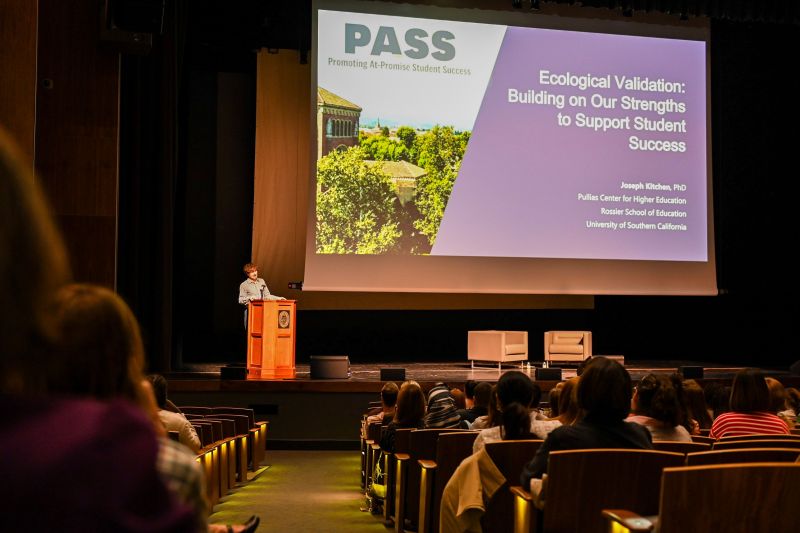
University of Tennessee, Knoxville: Joey Kitchen
Joey Kitchen gave the keynote at UT Knoxville's Thrive Summit on October 26, speaking to faculty and staff. His talk, "Ecological Validation: Building on Our Strengths to Support Student Success," drew on the Ecological Validation Model of Student Success, which came out of Pullias's Promoting At-Promise Student Success (PASS) project. The research-backed model shows how faculty, staff, and administrators working together across campus can build on students’ strengths and help them feel valued, included, and confident in their ability to succeed in college. From Joey: “I hope people left with ideas for building on the strengths of their work together, continuing to learn from one another, and advancing the student support efforts already underway across campus. I was impressed by the strong culture of student support at UT Knoxville and the enthusiasm for building on that foundation to deepen and sustain ecological validation.”
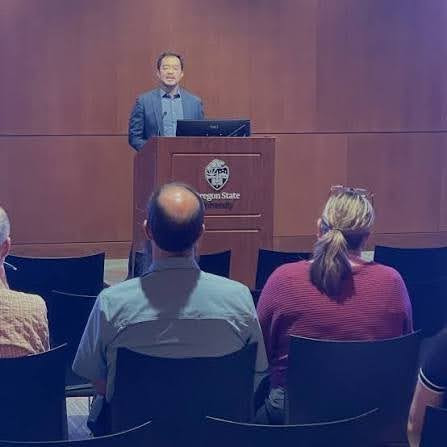
Oregon State University: Federick Ngo
On October 8, Federick Ngo gave a College of Education lecture at Oregon State on developmental education reform. Many students start college in prerequisite remedial math and English courses that often slow them down rather than help. Federick shared results from his IES-funded study of Nevada, which began requiring corequisite courses in 2021. Students in corequisites were more significantly more likely to complete required college-level math and English courses after the policy change. From Federick: “This was a timely presentation to faculty and policymakers in Oregon, a state that is also in the midst of shifting to a corequisite model. I hope that the presentation inspired research ideas and generated support for policy implementation across the state.
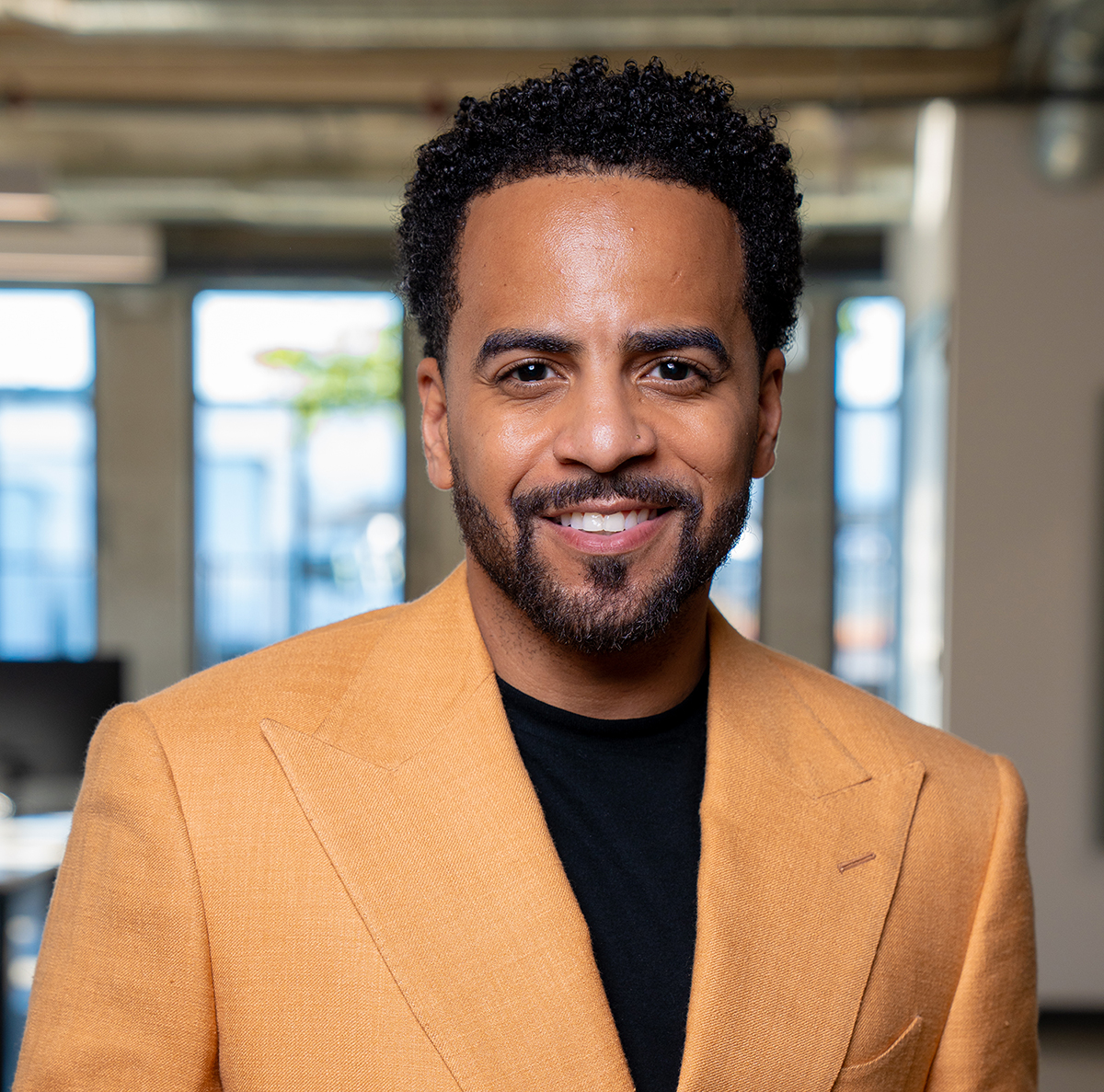
Florida State University: Royel Johnson
On October 7, Royel Johnson joined Florida State's Higher Education program virtually for its Relevant Research Roundtable (R³), with a talk titled "Reframing Belonging in Higher Education." Colleges often measure belonging by asking students whether they feel they fit in. Royel asked a different question: who gets to belong, and under what conditions? His Intersectional Ecological Model of Belonging looks at how classrooms, campus policies, financial aid rules and national politics all shape the answer. "Belonging is personal," he said. "Its production is institutional. Its distribution is political."
University of Nebraska campuses : Zoë Corwin
Zoë Corwin spent a week in October connecting with research-practice partners at the University of Nebraska campuses in Kearney, Lincoln, and Omaha as part of the decade-long Promoting At-promise Student Success project. The trip provided an opportunity to learn about each campus’ career readiness ecosystem. “It’s incredibly helpful to meet with both senior leadership and student-facing practitioners in order to ensure that our analyses will be helpful in practice,” Zoё explained. The PASS team is currently analyzing rich qualitative and qualitative career-related data from hundreds of students (see here for current career-related articles and briefs). “On this trip I was particularly inspired by how the campuses are using PASS research findings to expand their student success efforts,” Zoё shared.
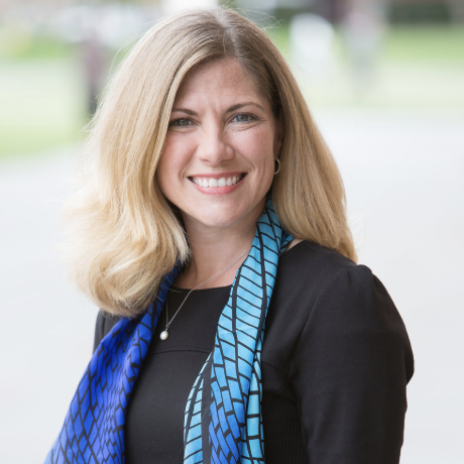
Yale University: Julie Posselt
On October 5th, Julie Posselt joined a panel at the Yale Graduate School of Arts and Sciences on AI and the future of academic disciplines, speaking to a full room of faculty. She argued that thinking of disciplines as communities where people train, debate and share ideas can help faculty work through the questions AI raises about knowledge, learning and academic work. "Despite the pace of change," she said, "these are our matters, still, to shape."